

Written by Bo Winegard.
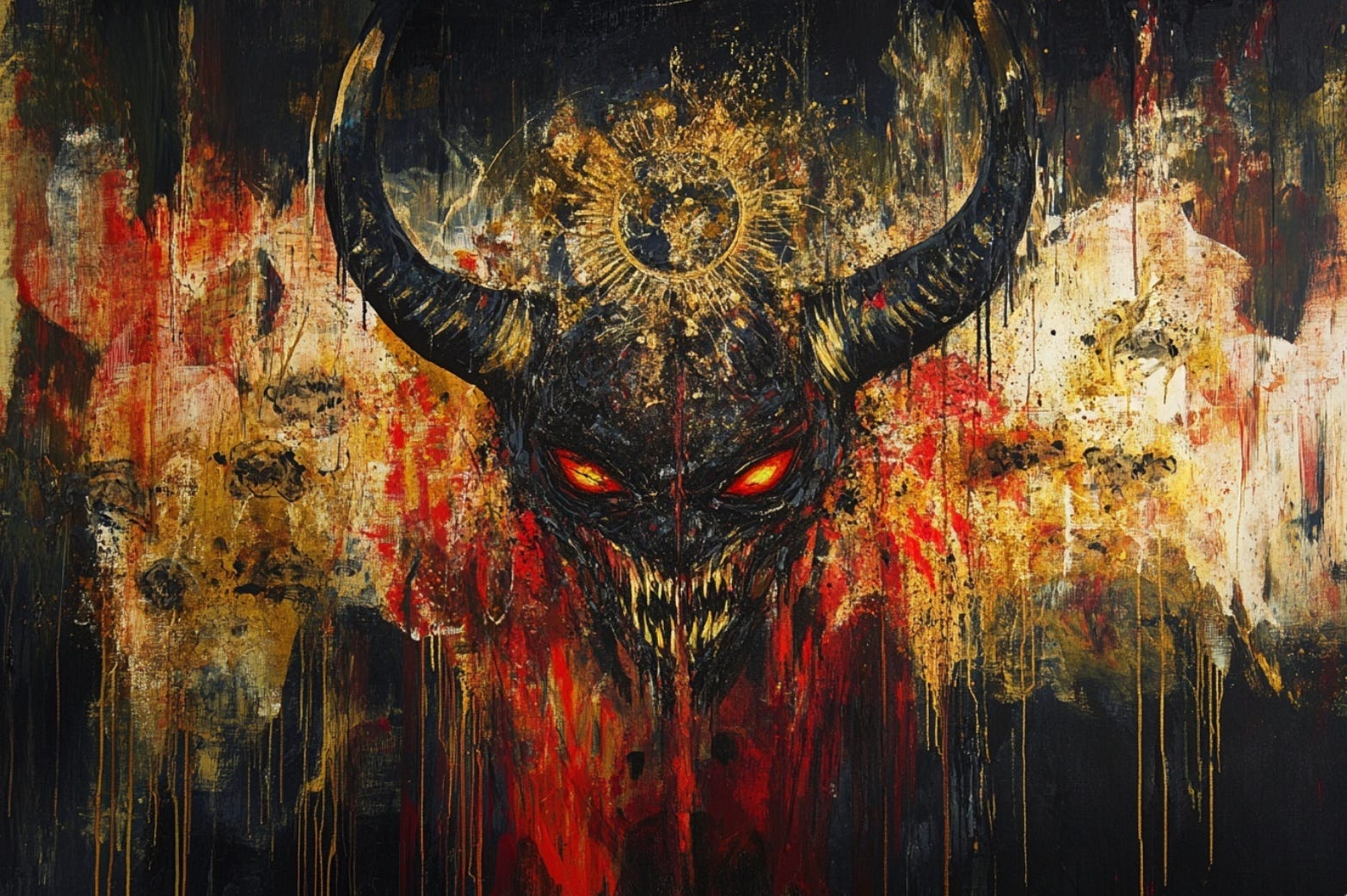
When I was young, I had a morbid fascination with VHS horror movie covers. The more macabre they were, the more captivating. Most of the films were tasteless, even boring, and many would likely have held little interest for me were it not for one simple but powerful fact: I was not supposed to watch them. And because I was not supposed to watch them, I wanted to watch them. They acquired a transgressive allure.
The names of those films became almost legendary among the children in my neighborhood: Friday the 13th, Halloween, Hellraiser. It was thrilling even to catch one of them, heavily edited for cable. The blood and cursing were largely gone but the transgression was not.

This is hardly a personal idiosyncrasy. Literature, mythology, religion and cinema are filled with stories about the paradoxical seductiveness of the forbidden. Indeed, according to the Christian understanding of the world, the Fall of man began with a prohibition. God commanded Adam and Eve not to eat from the Tree of the Knowledge of Good and Evil. And it was precisely this forbidden fruit that became the object of irresistible desire:
But of the fruit of the tree which is in the midst of the garden, God hath said, Ye shall not eat of it, neither shall ye touch it, lest ye die.
And the serpent said unto the woman, Ye shall not surely die: For God doth know that in the day ye eat thereof, then your eyes shall be opened, and ye shall be as gods, knowing good and evil.
And when the woman saw that the tree was good for food, and that it was pleasant to the eyes, and a tree to be desired to make one wise, she took of the fruit thereof, and did eat, and gave also unto her husband with her; and he did eat.
The same pattern recurs throughout Western literature. Many of our most compelling tragic heroes are those who monomaniacally pursued forbidden knowledge or who stubbornly rejected the prohibitions of authority. Prometheus stole fire from the gods. Faust bargained for forbidden wisdom. Satan refused to yield to God. Victor Frankenstein violated the limits of nature. Their actions often ended in catastrophe—but their rebellion, their defiance, their refusal to submit, continues to fascinate us. Why?